
Your attic plays a major role in your home’s energy efficiency and overall comfort. If your home feels too hot during the summer or too cold in the winter, poor attic insulation could be the reason. Blown-in attic insulation is one of the most effective and affordable ways to improve indoor comfort while lowering monthly energy costs.
Whether you’re upgrading an older home or improving a newly purchased property, blown-in insulation provides excellent coverage, fills hard-to-reach spaces, and helps maintain consistent indoor temperatures throughout the year.
What Is Blown-in Attic Insulation?
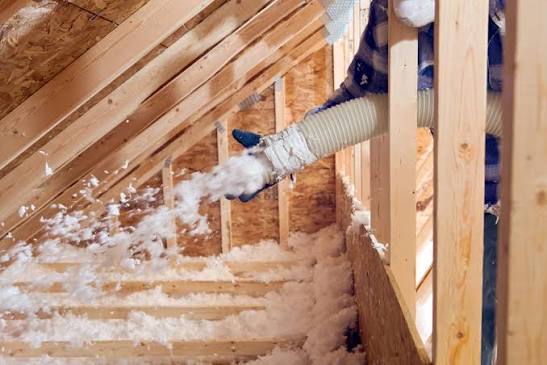
Blown-in attic insulation is a loose-fill insulation material that is installed using specialized equipment. The insulation is blown evenly across the attic floor, creating a thick thermal barrier that reduces heat transfer between your living space and the outdoors.
Unlike traditional insulation batts, blown-in insulation easily fills small gaps, corners, and irregular spaces. This complete coverage helps eliminate air leaks that can reduce your home’s energy efficiency.
Common blown-in insulation materials include:
- Fiberglass insulation
- Cellulose insulation
- Mineral wool insulation
Each material offers excellent thermal performance, helping homeowners create a more comfortable and energy-efficient living environment.
Benefits of Blown-in Attic Insulation
Lower Energy Bills
One of the biggest advantages of blown-in attic insulation is reduced heating and cooling costs. Proper insulation helps your HVAC system work more efficiently by preventing unwanted heat loss in winter and heat gain during summer.
This improved energy performance often results in noticeable monthly savings on utility bills.
Improved Indoor Comfort
Uneven temperatures from room to room often indicate insufficient attic insulation. Blown-in insulation helps regulate indoor temperatures by creating a consistent thermal barrier.
You’ll enjoy:
- Warmer rooms during winter
- Cooler indoor temperatures during summer
- Fewer drafts
- Better year-round comfort
Better Air Sealing
Small cracks and gaps in the attic allow conditioned air to escape while outdoor air enters the home. Blown-in insulation fills these difficult-to-reach areas more effectively than many traditional insulation methods.
This improved air sealing enhances comfort and minimizes energy waste.
Reduced Noise
Blown-in insulation also helps reduce sound transmission from outside and between different areas of the home. It creates a quieter indoor environment by absorbing airborne noise.
Increased Home Value
Energy-efficient upgrades are attractive to homebuyers. Adding blown-in attic insulation can increase your home’s value by improving comfort, reducing maintenance costs, and lowering long-term energy expenses.
Signs Your Attic Needs New Insulation
Many homeowners don’t realize their insulation has become less effective over time. Consider upgrading your attic insulation if you notice:
- High energy bills
- Uneven indoor temperatures
- Drafty rooms
- Ice dams forming during winter
- Hot upstairs bedrooms
- HVAC system running constantly
- Old or compressed insulation
- Rising heating and cooling costs
If your home is more than 15 to 20 years old, an insulation inspection may reveal areas that need improvement.
How the Installation Process Works
Professional blown-in attic insulation installation is a straightforward process that minimizes disruption to your home.
1. Attic Inspection
The process begins with a complete inspection of the attic. Professionals evaluate existing insulation levels, identify air leaks, and determine the recommended insulation depth.
2. Preparation
Before installation, debris is removed, ventilation pathways are protected, and any necessary air sealing is completed.
3. Blowing the Insulation
Using specialized blowing equipment, insulation is evenly distributed across the attic floor. Professionals ensure consistent coverage to achieve the desired R-value for your climate.
4. Final Inspection
After installation, the insulation depth is verified to ensure complete coverage and optimal energy performance.
Why Professional Installation Matters
Although DIY insulation kits are available, professional installation delivers better long-term results.
Experienced installers know how to:
- Achieve proper insulation depth
- Avoid blocking attic ventilation
- Cover hard-to-reach spaces
- Maintain even distribution
- Meet local building code requirements
- Maximize energy efficiency
Proper installation ensures your insulation performs as intended for many years.
How Long Does Blown-in Insulation Last?
Blown-in attic insulation is designed to provide long-lasting performance. Under normal conditions, it can remain effective for 20 to 30 years or more.
However, moisture damage, pest infestations, roof leaks, or settling may reduce its effectiveness over time. Routine attic inspections help identify issues before they become costly repairs.
Is Blown-in Insulation Worth the Investment?
For many homeowners, the answer is yes. The combination of lower utility bills, improved indoor comfort, and increased energy efficiency makes blown-in attic insulation one of the best home improvement investments.
Many homeowners recover installation costs through long-term energy savings while enjoying a more comfortable living space every day.
Tips for Maintaining Attic Insulation
To keep your insulation performing efficiently:
- Inspect your attic annually.
- Repair roof leaks immediately.
- Keep attic ventilation clear.
- Seal new air leaks when they appear.
- Check for signs of moisture or pests.
- Schedule professional inspections when needed.
Regular maintenance helps extend the life of your insulation and protects your investment.
Conclusion
Blown-in attic insulation is a smart solution for homeowners looking to improve comfort, reduce energy costs, and increase overall home efficiency. Its ability to fill gaps, provide consistent coverage, and create an effective thermal barrier makes it one of the most reliable insulation options available.
Whether you’re upgrading outdated insulation or insulating a new home, investing in professional blown-in attic insulation can deliver long-lasting benefits for your property. With improved indoor temperatures, lower utility bills, and enhanced energy performance, you’ll enjoy a more comfortable home in every season.
FAQs
How much can blown-in attic insulation reduce energy bills?
Properly installed blown-in attic insulation can significantly reduce heating and cooling costs by improving your home’s energy efficiency. Actual savings depend on your home’s size, climate, and existing insulation.
How long does blown-in attic insulation last?
Most blown-in insulation lasts 20 to 30 years or longer when kept dry and properly maintained.
Can blown-in insulation be installed over existing insulation?
Yes. In many cases, new blown-in insulation can be added over existing insulation if it is clean, dry, and in good condition.
Is blown-in insulation safe?
Yes. When installed correctly by professionals using quality materials, blown-in insulation is a safe and effective way to improve home energy efficiency.
What is the best time to install attic insulation?
Blown-in attic insulation can be installed year-round, making it a convenient upgrade whenever you want to improve your home’s comfort and energy performance.