
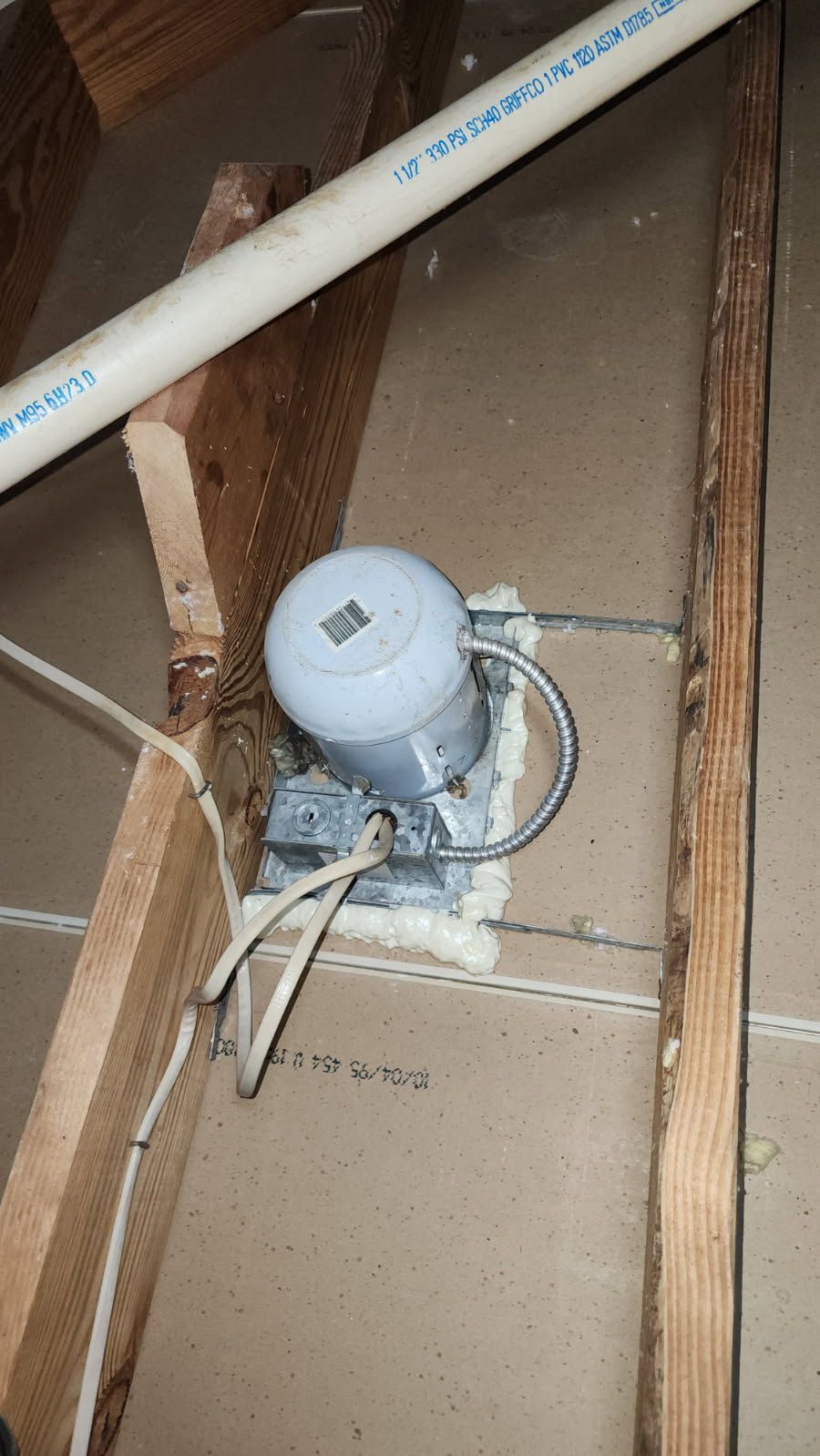
Are you struggling with high energy bills, uncomfortable rooms, or uneven indoor temperatures? These problems may be caused by air leaks in your attic. Small gaps around pipes, electrical wiring, ceiling fixtures, and attic access doors can allow heated or cooled air to escape, forcing your HVAC system to work harder. Professional attic air sealing services help close these unwanted openings, improve indoor comfort, and support better energy efficiency.
Moreover, attic air sealing is an important step toward creating a more comfortable and energy-efficient home. By identifying and sealing air leaks, homeowners can reduce unnecessary air movement, improve the performance of existing insulation, and maintain more consistent indoor temperatures throughout the year.
What Is Attic Air Sealing?
Attic air sealing is the process of closing gaps, cracks, and openings that allow air to move between your living space and attic. These leaks commonly occur around plumbing pipes, electrical wiring, recessed lights, ductwork, attic hatches, and wall connections.
During winter, warm indoor air can rise and escape into the attic. As a result, your heating system may need to run longer to maintain a comfortable temperature. Similarly, during summer, excessive heat in the attic can contribute to uncomfortable upper-floor rooms and increased cooling demands.
Professional attic air sealing addresses these problems by using appropriate materials, such as caulk, weatherstripping, and compatible foam sealants. When combined with proper insulation and ventilation, air sealing can help improve your home’s overall energy performance.
Signs Your Home Needs Attic Air Sealing
Recognizing the signs of attic air leakage can help you address problems before they affect your comfort and energy costs.
High Energy Bills
If your heating and cooling bills continue to increase, air leaks may be contributing to unnecessary energy loss. When conditioned air escapes through attic openings, your HVAC system must work harder to maintain the desired temperature. Therefore, sealing these gaps may help reduce energy consumption.
Uneven Indoor Temperatures
Do some rooms feel colder in winter or hotter in summer than others? Air leaks around the attic and ceiling can contribute to inconsistent temperatures. By sealing these openings, you can help create a more comfortable living environment throughout your home.
Drafts Around Ceilings
Drafts near ceiling fixtures, attic access doors, and upper-floor rooms may indicate unwanted air movement. In addition, these openings can allow dust and outdoor air to enter your living space. Proper air sealing helps reduce these pathways and supports better indoor comfort.
An Overworked HVAC System
When heated or cooled air escapes, your HVAC system may need to operate longer to maintain indoor comfort. Consequently, this additional demand can contribute to higher energy use. Attic air sealing helps reduce avoidable air leakage and supports more efficient heating and cooling.
Benefits of Professional Attic Air Sealing Services
Investing in professional attic air sealing offers several benefits for homeowners who want to improve their property’s comfort and energy efficiency.
- Improve Energy Efficiency
One of the primary benefits of attic air sealing is reducing unwanted air leakage. When less conditioned air escapes, your home may require less energy to maintain comfortable temperatures. As a result, you may notice lower heating and cooling costs, depending on your home’s condition and energy usage. - Maintain Comfortable Indoor Temperatures
Air leaks can create cold spots during winter and contribute to excessive heat during summer. By sealing gaps around the attic, you can help reduce temperature fluctuations and make your living spaces more comfortable throughout the year. - Support HVAC Performance
Your heating and cooling system is designed to maintain a comfortable indoor environment. However, air leakage can make this task more difficult. Therefore, professional attic air sealing can help reduce unnecessary HVAC demand and support the performance of your existing equipment. - Improve Moisture Control
Air leaks can allow moisture-laden indoor air to enter colder attic spaces, potentially contributing to condensation and moisture damage. Proper air sealing helps limit this movement. Nevertheless, existing moisture problems, exhaust ventilation, and attic ventilation requirements must also be addressed appropriately. - Enhance Insulation Performance
Although insulation slows heat transfer, it does not necessarily stop air from passing through gaps and cracks. For this reason, combining attic air sealing with properly installed insulation can provide better overall building-envelope performance.
Our Attic Air Sealing Process
A professional attic air sealing service follows a systematic process to identify leaks and address them safely.
Step 1: Inspect the Attic
First, technicians inspect accessible attic areas to identify gaps around wiring, plumbing, ceiling fixtures, attic hatches, and other potential leakage points. This inspection helps determine the most appropriate approach for your home.
Step 2: Identify Air Leakage Sources
Next, technicians assess the location and size of visible openings. When necessary, diagnostic tools such as blower door testing can help identify less obvious air leaks and determine where sealing may be most beneficial.
Step 3: Choose Suitable Sealing Materials
After identifying the leaks, technicians select materials appropriate for each opening. For example, caulk may be suitable for small gaps, while compatible foam sealants may be appropriate for certain larger openings. Special precautions are necessary around electrical equipment, chimneys, and combustion appliances.
Step 4: Seal the Air Leaks
Technicians then seal appropriate gaps and openings while following applicable safety requirements. However, necessary ventilation openings must remain unobstructed, and fire-rated assemblies must be treated using approved methods and materials.
Step 5: Review the Completed Work
Finally, the completed work is inspected to ensure the identified openings have been addressed. Where appropriate, additional testing can help evaluate the effectiveness of the air sealing work.
Why Combine Attic Air Sealing With Insulation?
Attic air sealing and insulation work together to improve your home’s energy efficiency. While air sealing reduces unwanted air movement, insulation slows heat transfer through ceilings and other building materials.
For example, if your attic contains sufficient insulation but has multiple gaps around pipes and ceiling openings, warm or cool air may still escape. Conversely, sealing the gaps without addressing inadequate insulation may not provide the desired improvement in temperature control.
Therefore, homeowners should consider an attic assessment to determine whether air sealing, additional insulation, or ventilation improvements are needed. Addressing these issues together can help create a more comfortable indoor environment and support better long-term energy performance.
Why Choose Professional Attic Air Sealing Services?
Although some small gaps may appear easy to seal, attic air sealing requires knowledge of building materials, ventilation requirements, and safety considerations. Incorrect sealing around combustion equipment or heat-producing fixtures can create serious hazards.
Professional technicians can identify important leakage points, recommend suitable sealing materials, and complete the work according to applicable safety requirements. Furthermore, they can help you understand whether additional insulation or moisture control measures are needed to improve your attic’s condition.
Whether you are dealing with rising energy costs, uncomfortable rooms, or persistent drafts, professional attic air sealing can help address the underlying causes of unwanted air movement.
Frequently Asked Questions
- What is the main purpose of attic air sealing?
The primary purpose is to close unwanted gaps between the attic and living spaces, reducing air leakage and helping improve indoor comfort and energy efficiency. - Can attic air sealing reduce energy bills?
Yes. By reducing air leakage, attic air sealing may lower heating and cooling energy use. Actual savings depend on your home’s condition, climate, insulation, and HVAC system. - Should I seal my attic before installing insulation?
In many cases, sealing appropriate air leaks before adding insulation is recommended. However, moisture issues, ventilation requirements, and combustion safety should be evaluated first. - How long does attic air sealing take?
The time required depends on the attic’s size, accessibility, the number of leaks, and the complexity of the work. A professional inspection can provide a more accurate estimate. - Is attic air sealing worth the investment?
Attic air sealing may be a worthwhile improvement if your home has noticeable drafts, uneven temperatures, or significant air leakage. A professional assessment can help identify the most beneficial measures.