
If your energy bills keep rising or some rooms in your home always feel too hot or too cold, your insulation may not be doing its job. Many Texas homeowners wonder whether cellulose insulation or fiberglass insulation is the better choice for improving comfort and reducing energy costs.
The answer depends on your home’s needs, your budget, and the condition of your attic or walls. In this guide, we’ll compare both insulation types, explain their benefits, and help you choose the right option for your Texas home.
Why Choosing the Right Insulation Matters
Texas experiences long, hot summers and unpredictable weather throughout the year. Without proper insulation Service, your air conditioner has to work much harder to keep your home comfortable. This leads to:
- Higher monthly energy bills
- Uneven indoor temperatures
- Excessive strain on your HVAC system
- Reduced indoor comfort
Installing the right insulation helps maintain a consistent indoor temperature while improving your home’s overall energy efficiency.
What Is Cellulose Insulation?
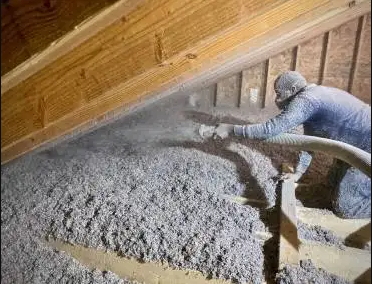
Cellulose insulation is made from recycled paper products that are treated with fire-resistant materials. It is commonly installed as blown-in insulation, making it an excellent option for attics and existing homes.
Benefits of Cellulose Insulation
- Excellent thermal performance
- Fills small gaps and hard-to-reach spaces
- Helps reduce outside noise
- Made from recycled, environmentally friendly materials
- Improves overall energy efficiency
Because cellulose settles tightly around pipes, wiring, and framing, it helps minimize unwanted air leaks that can increase heating and cooling costs.
What Is Fiberglass Insulation?
Fiberglass insulation is made from extremely fine glass fibers and is one of the most commonly used insulation materials in residential construction. It is available in batts, rolls, and blown-in forms.
Benefits of Fiberglass Insulation
- Affordable installation cost
- Moisture resistant
- Long-lasting performance
- Lightweight and easy to install
- Suitable for attics, walls, and crawl spaces
Fiberglass remains a dependable option for homeowners looking for an economical insulation solution.
Cellulose vs. Fiberglass: What’s the Difference?
Although both insulation types improve energy efficiency, they perform differently in several important areas.
Energy Efficiency
Cellulose generally provides a slightly higher R-value per inch than fiberglass. It also fills small gaps more effectively, helping reduce unwanted air movement.
Fiberglass performs well but may leave small air pockets if it isn’t installed correctly.
Winner: Cellulose
Air Sealing
One of cellulose insulation’s biggest advantages is its ability to fill cracks and irregular spaces.
Fiberglass can leave small openings around framing and obstacles, allowing conditioned air to escape.
Winner: Cellulose
Moisture Resistance
Fiberglass does not absorb moisture as easily, making it a good choice in areas where humidity may be a concern.
Cellulose can retain moisture if water leaks are not repaired quickly.
Winner: Fiberglass
Environmental Impact
Cellulose is manufactured using recycled paper products, making it one of the most environmentally friendly insulation materials available.
Fiberglass contains recycled glass but generally requires more energy during manufacturing.
Winner: Cellulose
Installation Cost
Fiberglass insulation usually costs less to install than cellulose.
However, many homeowners recover the additional investment in cellulose through improved energy savings over time.
Winner: Fiberglass (for lower upfront cost)
Which Insulation Works Best for Texas Homes?
For many Texas homeowners, cellulose insulation offers excellent performance because it helps reduce heat transfer during the state’s extremely hot summers. Its ability to fill gaps and improve air sealing makes it especially effective in older homes where air leakage is common.
Fiberglass remains an excellent choice for homeowners looking for a budget-friendly solution or for new construction projects where insulation can be installed evenly before drywall is finished.
The best option depends on factors such as:
- Your home’s age
- Existing insulation condition
- Energy efficiency goals
- Budget
- Attic ventilation
A professional insulation inspection can help determine which material will deliver the best long-term results.
Signs Your Home May Need New Insulation
If you notice any of these problems, it may be time to upgrade your insulation:
- High electricity bills
- Hot or cold spots inside the house
- HVAC system running continuously
- Drafts near ceilings or walls
- Uneven temperatures between rooms
- Old or damaged attic insulation
Replacing outdated insulation can improve comfort while lowering monthly energy costs.
Why Professional Installation Matters
Even the highest-quality insulation won’t perform well if it’s installed incorrectly.
Professional installers know how to:
- Measure the correct insulation depth
- Identify air leaks
- Recommend the right insulation material
- Ensure complete coverage without gaps
- Meet local building standards
Proper installation helps maximize insulation performance and extends its lifespan.
Improve Your Home’s Energy Efficiency Today
Whether you choose cellulose or fiberglass insulation, upgrading your home’s insulation is one of the smartest investments you can make. Better insulation improves indoor comfort, lowers utility bills, reduces stress on your HVAC system, and helps create a more energy-efficient home.
If you’re looking for reliable Insulation Services in 77059, TX, working with experienced insulation professionals ensures your home receives the right solution based on its specific needs. From attic insulation to blown-in insulation and complete energy-efficiency upgrades, expert guidance can help you enjoy a more comfortable home throughout every Texas season.
Ready to make your home more energy efficient? Contact our team today for a free insulation assessment and discover which insulation option is the best fit for your Texas home.