
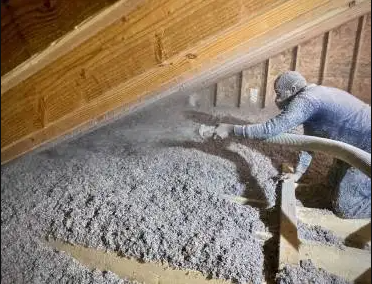
Keeping your home comfortable throughout the year starts with choosing the right insulation. Poor insulation can allow heat to escape during winter and enter your home during summer, making indoor temperatures difficult to control. It can also increase energy consumption and utility bills. Cellulose insulation is an effective solution that helps improve indoor comfort, reduce energy loss, and create a more energy-efficient living environment. Made primarily from recycled paper products, cellulose insulation is a popular choice for homeowners looking for reliable thermal performance and an environmentally friendly insulation option.
What Is Cellulose Insulation?
Cellulose insulation is a type of insulation material manufactured mainly from recycled newspapers and other paper-based products. These materials are processed into small fibers and treated with fire-retardant and pest-resistant additives to improve safety and durability.
The loose fibers fill gaps, cavities, and hard-to-reach spaces where traditional insulation materials may not fit properly. This makes cellulose insulation suitable for attics, walls, ceilings, and other areas of a residential property.
Its ability to reduce heat transfer helps maintain consistent indoor temperatures while supporting better energy efficiency. Whether you are upgrading an older property or improving insulation in a newly constructed home, cellulose can be a practical option.
How Does Cellulose Insulation Improve Home Energy Efficiency?
One of the main reasons homeowners choose cellulose insulation is its ability to reduce unwanted heat transfer. Without proper insulation, heated or cooled air can escape through walls, ceilings, and attic spaces.
Cellulose insulation creates a protective thermal barrier that helps slow down this process. During colder months, it helps retain indoor warmth, while during warmer months, it reduces heat entering the living space.
This improved thermal performance can help your heating and cooling systems operate more efficiently. As a result, you may experience:
- More consistent indoor temperatures.
- Reduced heating and cooling demands.
- Improved overall energy efficiency.
- Less temperature fluctuation between rooms.
- Potential savings on monthly energy bills.
Actual energy savings depend on your home’s existing insulation, air leakage, climate, and installation quality.
Different Types of Cellulose Insulation
Understanding the available installation methods can help you choose the right solution for your property.
1. Loose-Fill Cellulose Insulation
Loose-fill cellulose consists of lightweight fibers that are blown into attics and other open spaces using specialized equipment. It spreads across the surface and fills small gaps, helping create an even layer of insulation.
This option is particularly useful for attic insulation projects where homeowners want to improve thermal protection without major structural changes.
2. Dense-Pack Cellulose Insulation
Dense-pack cellulose is installed under pressure into enclosed wall cavities and other building spaces. The material is packed tightly to reduce empty areas and limit unwanted air movement.
It is often used when upgrading insulation in existing walls without completely removing the interior or exterior finishes.
3. Spray-Applied Cellulose Insulation
Spray-applied cellulose is installed using a wet application process. The fibers are combined with moisture or an appropriate binding agent so they can adhere to surfaces during installation.
This method can be useful for certain wall and ceiling applications, depending on the building design and product specifications.
Where Can Cellulose Insulation Be Installed?
Cellulose insulation is versatile and can be used in several areas of a residential property.
Attics: Attics are common locations for heat loss and heat gain. Installing cellulose insulation helps create a thermal barrier between the living space and the roof area.
Exterior Walls: Dense-pack cellulose can fill existing wall cavities, helping reduce heat transfer and unwanted air movement.
Interior Walls: Depending on the building design, cellulose can provide additional insulation between rooms and help reduce sound transmission.
Ceilings: Properly installed cellulose insulation helps improve temperature control and reduce energy loss through ceiling spaces.
Floor Cavities: Certain floor assemblies can benefit from insulation that helps limit heat transfer between different levels of a home.
Benefits of Choosing Cellulose Insulation
Cellulose insulation offers several advantages that make it an attractive option for residential insulation projects.
Environmentally Friendly Material
Cellulose insulation is primarily manufactured from recycled paper products. Using recycled materials helps reduce waste and makes it an appealing choice for homeowners interested in more sustainable building solutions.
Improved Indoor Comfort
Insufficient insulation can create uncomfortable hot and cold areas throughout your home. Cellulose helps reduce temperature differences and supports a more comfortable indoor environment.
Better Sound Control
The dense fiber structure of cellulose insulation can help absorb sound and reduce noise transmission through walls and ceilings. This can be particularly beneficial for bedrooms, home offices, and shared living spaces.
Fire-Retardant Treatment
Cellulose insulation products are treated with fire-retardant additives to improve their resistance to fire. However, proper installation and compliance with applicable building codes remain essential.
Fits Difficult Spaces
The loose fibers can reach small openings, irregular cavities, and hard-to-access areas. This helps provide more complete coverage when installed correctly.
Our Professional Cellulose Insulation Installation Process
Choosing the right insulation material is important, but professional installation also plays a major role in achieving reliable results. Our approach focuses on understanding your property’s insulation needs and providing a suitable solution.
- Property Inspection: We assess your attic, walls, ceilings, and existing insulation to identify areas that need improvement.
- Insulation Assessment: We evaluate the required insulation depth, coverage, and suitable cellulose insulation type.
- Surface Preparation: We prepare the installation area and address relevant moisture, ventilation, and air-sealing concerns.
- Professional Installation: Our team uses appropriate equipment to distribute cellulose insulation evenly and achieve the specified coverage.
- Final Inspection: We check the completed work to ensure proper coverage and installation quality.
Our goal is to provide an insulation solution that supports energy efficiency, indoor comfort, and long-term property performance.
Why Should You Upgrade Your Existing Insulation?
Over time, older insulation may become damaged, compressed, displaced, or less effective due to moisture and other building conditions. If you notice uneven indoor temperatures, uncomfortable rooms, or unusually high heating and cooling costs, your insulation may need attention.
Upgrading to cellulose insulation can help address these concerns when the existing building assembly is suitable for the material. A professional inspection can identify insulation gaps, air leakage, and other issues affecting your home’s energy performance.
It is also important to resolve existing moisture problems before installing new insulation to prevent future damage.
Frequently Asked Questions About Cellulose Insulation
1. How long does cellulose insulation last?
When properly installed and protected from moisture, cellulose insulation can provide effective thermal performance for many years.
2. Is cellulose insulation environmentally friendly?
Yes. It is primarily made from recycled paper products, making it a popular choice for homeowners interested in reducing material waste.
3. Can cellulose insulation be installed in existing walls?
Yes. Dense-pack cellulose can be installed in suitable existing wall cavities, often without completely removing the wall finishes.
4. Does cellulose insulation help reduce noise?
Yes. Its dense fiber structure can absorb sound and help reduce noise transmission through walls and ceilings.
5. Is cellulose insulation suitable for attics?
Yes. Loose-fill cellulose is commonly used in attics to improve thermal resistance and help maintain comfortable indoor temperatures.
Improve Your Home’s Comfort With Professional Cellulose Insulation
The right insulation can make a meaningful difference in your home’s comfort, energy efficiency, and overall indoor environment. Cellulose insulation offers a practical combination of recycled materials, thermal protection, and sound-control benefits. Whether you need attic insulation, wall insulation, or an upgrade to your existing insulation system, professional installation helps ensure the material is applied correctly.
Contact our team today to discuss your cellulose insulation needs and get started with a solution designed around your home’s requirements.