

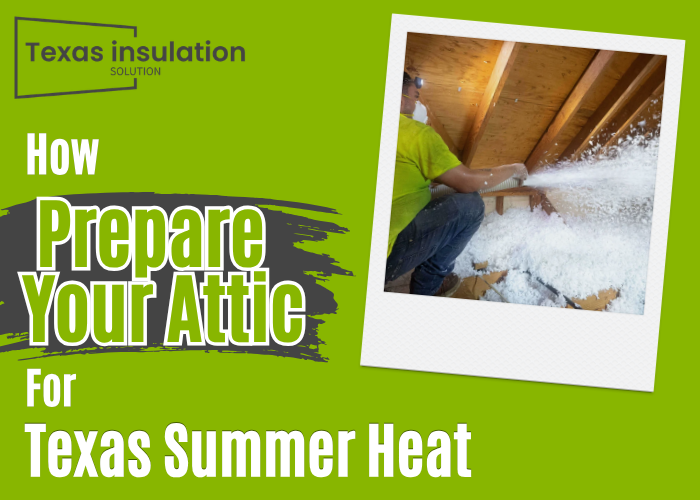
Texas summers are known for extreme heat. Temperatures can rise quickly, and your home can feel like an oven if your attic is not properly prepared. Since the attic is one of the hottest areas in any house, it plays a big role in overall home comfort. If your attic is not ready for summer, your cooling system will work harder, your energy bills will increase, and your living space will become uncomfortable.
This guide will help you understand how to prepare your attic for Texas summer heat using simple and effective steps. Whether you are a homeowner or planning upgrades, these tips will improve comfort and reduce costs.
Why Attic Preparation Matters in Texas
During summer, heat from the sun directly hits your roof. This heat transfers into your attic and then spreads into your home. Without proper insulation and ventilation, attic temperatures can reach up to 130–150°F.
This leads to several problems:
- Higher indoor temperatures
- Increased energy bills
- Overworked air conditioning system
- Reduced lifespan of roofing materials
Proper attic preparation for summer Texas conditions helps block heat, improve airflow, and maintain a cooler indoor environment.
Check Your Current Attic Condition
Before making improvements, start by inspecting your attic. Look for signs that your attic is not ready for summer.
Things to check:
- Old or damaged insulation
- Air leaks or gaps
- Poor ventilation
- Moisture or mold issues
If you notice uneven temperatures in your home or high energy bills, your attic may need attention.
Upgrade Your Attic Insulation
Attic insulation is one of the most important factors in keeping your home cool. It acts as a barrier that slows down heat transfer from the roof into your home.
Types of attic insulation:
- Fiberglass insulation
- Spray foam insulation
- Blown-in cellulose insulation
In Texas, having the right insulation level (R-value) is important. A higher R-value means better resistance to heat.
Benefits of proper attic insulation:
- Keeps indoor temperatures stable
- Reduces cooling costs
- Improves energy efficiency
- Enhances comfort
If your insulation is old or thin, consider upgrading it. Professional services like Texas Insulation Solution can help ensure proper installation and coverage.
Seal Air Leaks and Gaps
Small gaps and cracks in your attic can let hot air enter your home. These leaks are usually found around vents, pipes, wiring, and attic doors.
Steps to seal air leaks:
- Use caulk for small cracks
- Apply weatherstripping around attic doors
- Seal gaps around ducts and vents
Sealing air leaks improves your home’s cooling efficiency and prevents hot air from spreading indoors.
Improve Attic Ventilation
Ventilation is key to removing trapped heat from your attic. Without proper airflow, hot air stays inside and raises the temperature.
Types of attic ventilation:
- Ridge vents
- Soffit vents
- Gable vents
- Attic fans
A balanced ventilation system allows fresh air to enter and hot air to escape. This keeps your attic cooler and protects your roof.
Install a Radiant Barrier
A radiant barrier is a reflective material installed in the attic. It reflects heat away from your home instead of absorbing it.
Benefits of radiant barriers:
- Reduces heat gain
- Lowers attic temperature
- Improves overall cooling performance
This is especially useful in Texas, where sunlight is strong and constant during summer.
Check Your Roof Condition
Your roof plays a direct role in attic heat. Damaged or dark-colored roofing materials can increase heat absorption.
Things to inspect:
- Missing or damaged shingles
- Cracks or leaks
- Poor roof ventilation
Consider using reflective or light-colored roofing materials if you plan to upgrade. These help reduce heat buildup.
Maintain Your HVAC System
Your cooling system depends on your attic’s condition. If your attic is too hot, your HVAC system works harder.
Tips for HVAC efficiency:
- Clean or replace air filters regularly
- Check ductwork for leaks
- Ensure proper insulation around ducts
A well-maintained system improves summer home cooling and reduces energy costs.
Add Attic Fans for Extra Cooling
Attic fans help push hot air out and bring cooler air in. They are especially useful in extreme Texas heat.
Types of attic fans:
- Electric attic fans
- Solar-powered attic fans
Solar fans are energy-efficient and work well in sunny climates like Texas.
Keep Moisture Under Control
Even in summer, moisture can build up in your attic. This can damage insulation and reduce its effectiveness.
Ways to control moisture:
- Ensure proper ventilation
- Fix roof leaks quickly
- Use vapor barriers if needed
Dry insulation works better and lasts longer.
Benefits of Preparing Your Attic for Summer
When your attic is properly prepared, you will notice several improvements:
- Lower energy bills
- Better indoor comfort
- Reduced strain on AC system
- Longer lifespan of roof and insulation
- Improved home value
Attic preparation is not just about comfort—it is a smart investment for your home.
When to Call Professionals
Some attic improvements can be done on your own, but others require expert help. If you are unsure about insulation levels, ventilation setup, or energy efficiency, it is best to consult professionals.
Texas Insulation Solution provides expert services for attic insulation and energy-saving upgrades. They can assess your attic and recommend the best solutions for Texas weather conditions.
Final Words
Preparing your attic for Texas summer heat is essential for a comfortable and energy-efficient home. With proper insulation, ventilation, and maintenance, you can reduce heat buildup and keep your living space cool.
Start with a simple inspection, fix any issues, and upgrade where needed. These steps will make a big difference in how your home handles extreme summer temperatures.
Taking action now will save you money, improve comfort, and protect your home in the long run.